

Homeopathic Remedies for Albuminuria: Clinical Repertory Guide
Homeopathic Remedies for Albuminuria: Clinical Repertory Guide - Drops / Terebinthina Q: Early stage smoky urine remedy is backordered and will ship as soon as it is back in stock.
Couldn't load pickup availability
Description
Description
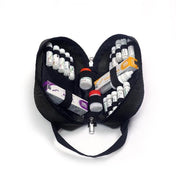
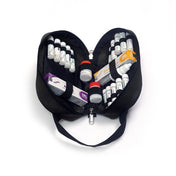
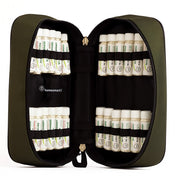
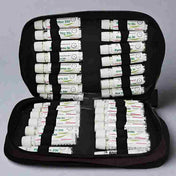
Albuminuria and proteinuria clinical management requires precision. Designed for homeopathic practitioners, this guide provides a structured framework for repertorization, featuring key symptomatic rubrics, remedy indications based on Boericke and Vithoulkas
Classical Homeopathic Approach to Albuminuria
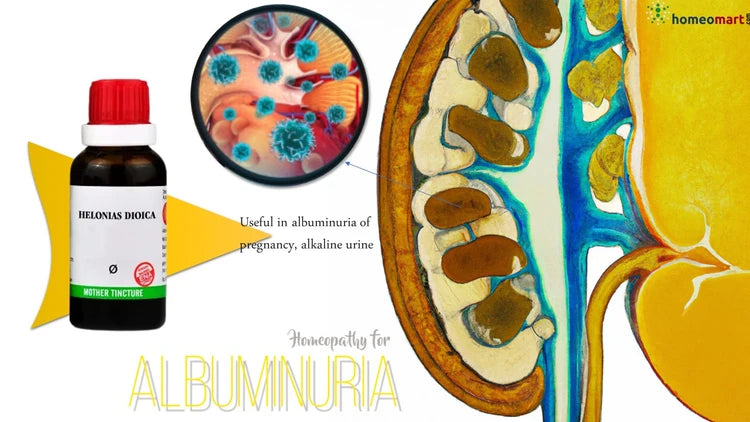
Albuminuria (presence of protein in urine) is often considered an early indicator of kidney stress. Homeopathy offers a symptom-guided, individualized approach, where remedy selection depends on the patient’s unique physical and constitutional picture rather than a single diagnosis.
Did You Know? Normal urine albumin levels are typically below 30 mg/g. Persistent albuminuria is commonly associated with long-standing high blood sugar or high blood pressure.
The Practitioners’ Framework: Core Case-Taking Rubrics
Use these specific rubrics to map the clinical presentation and narrow your repertorization focus:
-
Urine, Albuminous: The foundational clinical indicator.
-
Frothy/Foamy Urine: Specifically when accompanied by general weakness or edema.
-
Urine Morphology: Scanty, dark, brown, smoky, or bloody coloration.
-
Renal Sensitivity: Pain, tenderness, or specific sensitivity in the kidney region.
-
Dropsy/Anasarca: Edema directly associated with urinary disturbances.
-
Micturition Distress: Burning, painful urination, frequent urging, or strangury.
Comparative Remedy Profiles for Albuminuria/Proteinuria
The materia medicas of Boericke & Kent as well as the insights of Vithoulkas provide the right pathway based on the patient's unique symptom constellation:
| Remedy | Primary Indication | Key Qualifiers |
| Terebinthina | Early-stage albuminuric states. Best in lower potencies for acute renal irritation. | Scanty, smoky/bloody urine; kidney pain. |
| Apis mellifica | Edema and renal irritation. 30C indicated for marked edema and active inflammation | Stinging pain; serous effusions; dropsy. |
| Phosphorus | Protein loss with systemic debility. Suited to deeper systemic debility and tissue change. | Frothy urine; easy bleeding; exhaustion. |
| Calc. Arsenicosa | Albuminuria with high sensitivity. Often selected for chronic, sensitive constitutional states. | Irritable constitution; weak; dropsical. |
| Fuchsinum | Cortical nephritis patterns. Favored in lower potencies for organic renal changes. | Deep red/reddish urine; inflammatory. |
| Merc. Corrosivus | Severe inflammation/tenesmus. Requires care; used for acute inflammatory phases | Violent irritation; bloody, burning urine. |
| Nat. Hypochlorosum | Chronic protein loss/nephritis. Often utilized in lower potencies for chronic drainage | Associated edema; chronic affinity. |
| Cahinca | Kidney weakness with anasarca. Primarily used as a diuretic/support in lower potencies. | Pungent urine; dyspnea while lying. |
| Vesicaria | Urinary gravel & cystitis. Frequently used as a tincture for urinary irritation. | Chronic irritation; nephralgia; strangury. |
| Ocimum canum | Renal colic & albuminous sediment. Used based on the intensity of the renal colic. | Crampy pain; turbid urine; burning. |
| Ammonium causticum | Hyaline casts/nephritic pathology. Lower potencies suited for sub-acute renal inflammation. | Red/alkaline urine; inflammatory. |
| Scarlatininum | Post-infectious renal patterns. Nosode typically used in higher potencies for past pathology. | Specifically post-scarlet fever history. |
Why Use This Repertorization Guide?
-
Systematic Organization: Moves beyond scattered notes to a structured, rubric-based clinical workflow.
-
Evidence-Backed: Synthesizes time-tested insights from Vithoulkas, Boericke, and Kent.
-
Clinical Accuracy: Helps you differentiate between similar-looking renal pathologies through distinct symptomatic qualifiers.
Reviewed by Dr. K.S. Gopi This clinical repertory has been verified by Dr. K.S. Gopi, a distinguished homeopathic researcher and practitioner with over 40 years of experience in teaching, clinical research, and practice. A prolific author, Dr. Gopi has contributed extensively to homeopathic literature, including his notable work on the Encyclopaedia of Medicinal Plants Used in Homeopathy (10 Vols). His publications are widely recognized for their focus on integrating classical homeopathic methodology with modern clinical observation. Dr. Gopi currently serves as a consulting homeopath.
General Dosage Guidance
(Pills): Dissolve 4 pills under the tongue, 3 times daily.
(Drops): 3–4 drops in water, 2–3 times daily.
Dosage may vary – consult a qualified homeopathic physician.
Homeopathic Remedies for Albuminuria: Clinical Repertory Guide