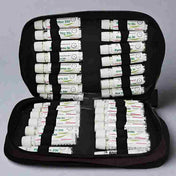

Mercurialis Perennis Homeopathy Pills for Digestive Disorders, Urinary Irritation & Menstrual Complaints
Mercurialis Perennis Homeopathy Pills for Digestive Disorders, Urinary Irritation & Menstrual Complaints - 2 Dram / 6C is backordered and will ship as soon as it is back in stock.
Couldn't load pickup availability
Description
Description
Mercurialis Perennis Homeopathy Pills are a premium homeopathic preparation traditionally used for digestive, urinary and pelvic symptoms. Manufactured according to recognised homeopathic standards and referenced in classical materia medica, they are intended for use under the guidance of a qualified homeopathic practitioner.
Mercurialis Perennis Homeopathy Pills for Digestive Disorders, Urinary Irritation & Menstrual Complaints
Mercurialis Perennis Homeopathy Pills are prepared from the fresh plant Mercurialis perennis, commonly known as Dog's Mercury. In classical homeopathic practice, this remedy has a marked affinity for the intestinal tract, urinary organs, pelvic tissues, and female reproductive system. It is traditionally prescribed for individuals experiencing digestive inflammation, abdominal colic, urinary irritation, pelvic congestion, and menstrual discomfort.
Mercurialis Perennis is frequently referenced in classical Homeopathic Materia Medica for complaints involving mucous diarrhoea, painful urging for stool, intestinal irritation, burning urination, pelvic heaviness, and inflammatory conditions affecting the digestive and genitourinary systems. It is especially considered where digestive symptoms are accompanied by weakness, soreness, or tenesmus.
Manufactured according to recognised homeopathic pharmacopeial standards, Mercurialis Perennis Homeopathy Pills provide a convenient and easy-to-administer dosage form suitable for routine homeopathic practice.
Key Benefits of Mercurialis Perennis Homeopathy Pills
- Helps support relief from intestinal irritation and digestive discomfort.
- Traditionally used for diarrhoea accompanied by mucus and tenesmus.
- Assists in relieving abdominal cramps and colicky pain.
- Supports urinary comfort in cases of burning and frequent urination.
- May help relieve pelvic congestion and lower abdominal soreness.
- Traditionally used for menstrual discomfort associated with pelvic inflammation.
- Supports healthy digestive and genitourinary function according to homeopathic principles.
- Gentle, non-habit-forming homeopathic formulation.
-
Easy-to-carry medicated globules for convenient daily use.
Homeopathic Indications
According to traditional homeopathic literature, Mercurialis Perennis may be indicated for:
- Intestinal inflammation
- Colitis
- Mucous diarrhoea
- Dysenteric stools with straining
- Abdominal colic
- Frequent urging for stool (tenesmus)
- Burning urination
- Urinary tract irritation
- Pelvic congestion
- Painful menstruation associated with pelvic discomfort
- Lower abdominal tenderness
- Digestive weakness following intestinal inflammation
- Swollen glands with inflammatory tendencies
Homeopathic medicine selection is based on the individual's complete symptom picture.
Remedy Profile
Mercurialis Perennis acts predominantly on:
- Small intestine
- Large intestine
- Colon
- Urinary bladder
- Urinary tract
- Female pelvic organs
- Mucous membranes
Patients requiring this remedy often experience abdominal pain with frequent ineffective urging for stool, intestinal irritation with mucus, burning during urination, pelvic heaviness, and soreness of the lower abdomen, especially when inflammatory symptoms predominate.
Common Symptoms Addressed
- Abdominal cramps
- Colicky abdominal pain
- Mucous diarrhoea
- Tenesmus
- Intestinal inflammation
- Burning urination
- Frequent urination
- Pelvic pain
- Pelvic congestion
- Menstrual discomfort
- Lower abdominal soreness
- Digestive irritation
-
Weakness following bowel complaints
Product Features
- Traditional Efficacy: Prepared using HPI-compliant dilutions with hand-succussion for optimal potency and effectiveness.
- Safe & Natural: Works gently with the body’s healing system, with minimal to no side effects.
- Convenient Format: Easy-to-carry medicated globules, ideal for home and travel use.
- Economical Pack: Supplied in a 2-dram glass vial containing approximately 220 medicated pills.
Composition:
- Active Ingredient: Mercurialis Perennis Homeopathic Dilution (available in various potencies)
- Inactive Ingredients: Sucrose (as the base for the medicated pills)
Dosage:
Adults and children above 2 years: Dissolve 4 globules under the tongue three times a day or as prescribed by a homeopathic physician.
Best Practices for Maximum Absorption
- The 15-Minute Rule: Avoid eating, drinking, or brushing your teeth for at least 15 minutes before and after taking your remedy. This ensures the medicine absorbs fully through the mucous membranes in your mouth.
- Keep it Clean: Avoid touching the pellets with your hands. Simply tip the required number of pellets directly from the cap into your mouth and let them dissolve under your tongue.
- Storage Tip: Keep your remedies in a cool, dry place away from direct sunlight and strong aromas (like camphor, coffee, or essential oils), as these can diminish their efficacy.
Materia Medica References
Clarke's Dictionary of Practical Materia Medica
Dr. J.H. Clarke describes Mercurialis Perennis as a remedy with marked action on the intestinal canal, urinary organs, and female pelvic system. It is traditionally recommended for inflammatory bowel conditions, abdominal pain with tenesmus, urinary irritation, and pelvic disorders characterised by soreness and congestion.
Boericke's Materia Medica
William Boericke notes its usefulness for:
- Intestinal inflammation with mucus
- Colitis and dysenteric conditions
- Frequent urging for stool
- Abdominal colic
- Burning urinary complaints
- Pelvic congestion
- Female pelvic inflammation with soreness
Hale's New Remedies
Dr. Edwin Hale described Mercurialis Perennis as a remedy with a marked affinity for the intestinal canal, urinary organs, and pelvic tissues. He highlighted its usefulness in inflammatory bowel conditions, abdominal colic, mucous diarrhoea, urinary irritation, and pelvic congestion, particularly where symptoms are accompanied by tenesmus, soreness, and inflammation.
Related Information
Related Information

Mercurialis Perennis Homeopathy Pills for Digestive Disorders, Urin...