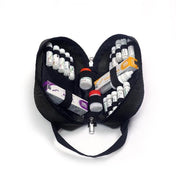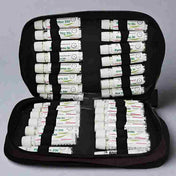


Homeopathic Ulcer & Wound Healing Support | 15 Remedies
Homeopathic Ulcer & Wound Healing Support | 15 Remedies - 6C / Arsenicum album → Burning septic ulcers is backordered and will ship as soon as it is back in stock.
Couldn't load pickup availability
Description
Description
Expertly curated Homeopathic Ulcer Complex. Supports difficult lesions, from phagedenic to venous. Access Materia Medica insights for precise, deep-acting relief.
Targeted Relief for Ulcers and Lesions
Ulcers, whether cutaneous (skin) or mucosal (internal), require deep, systemic support. This Homeopathic Ulcer Relief Complex is meticulously curated based on key remedies known to address the varied symptoms and underlying causes of different ulcer types—from septic, rapidly spreading lesions to indolent, non-healing wounds.
Key Benefits:
-
Comprehensive Coverage: Includes remedies for burning pain, offensive discharge, gangrenous tendencies, and emotional/constitutional factors (e.g., restlessness, anxiety).
-
Deep-Acting Support: Addresses chronic, scrofulous, and syphilitic/mercurial histories that can impede healing.
-
Constitutional Indicators: Remedies like Lycopodium and Pulsatilla cover specific timings, mental states, and symptom directions.
Understanding the Core Ingredients
The following table provides a brief summary of the primary indications for the key remedies included in this complex, drawn from classic homeopathic Materia Medica:
| Remedy (Full Name & Source) | Key Ulcer Indications (Brief) |
| Arsenicum album (Arsenic trioxide) | Burning, offensive, gangrenous ulcers; severe restlessness and anxiety, worse after midnight. |
| Arsenicum iodatum (Arsenic iodide) | Indolent, scrofulous or tubercular ulcers with thin, irritating discharge and marked emaciation. |
| Asafœtida (Ferula asafoetida) | Painful, sensitive ulcers with reversed (outward) pains and extreme hysteria or nervousness. |
| Carbo vegetabilis (Vegetable charcoal) | Sluggish, bluish, gangrenous or varicose ulcers with foul, cadaveric odor and great collapse. |
| Carbo animalis (Animal charcoal) | Hard, indurated, cancerous-tending ulcers with burning pains and enlarged glands. |
| Hepar sulphuris (Calcium sulphide) | Very sensitive, "splinter-like" painful, suppurating ulcers; patient chilly, irritable, worse from cold. |
| Kali bichromicum (Potassium bichromate) | Deep, punched-out ulcers with sharply defined edges and thick, stringy or plug-like exudation. |
| Kali muriaticum (Potassium chloride) | White or gray, fibrinous coatings and sluggish ulcers, especially in mucous membranes. |
| Lachesis mutus (Bushmaster venom) | Dark, purplish, rapidly spreading, septic ulcers, very sensitive to touch; worse after sleep, often left-sided. |
| Lycopodium (Club moss) | Chronic, gastric or duodenal ulcers with 4–8 p.m. aggravation, bloating, and right-to-left symptom direction. |
| Mercurius solubilis (Soluble mercury) | Phagedenic, spreading ulcers with profuse saliva or pus, offensive odor, and nightly aggravation with sweat. Specifically targets pus formation, foul discharge, and raw, "creeping" ulcerations that worsen at night |
| Nitric acid (Nitric acid) | Deep, fissured, stitching-pain ulcers, bleeding easily, with marked offensiveness and syphilitic or mercurial history. |
| Pulsatilla (Wind flower) | Venous, congestive, or stasis-related ulcers with bland or thick yellow discharge; for mild, weepy patients. |
| Silicea terra (Silica) | Non-healing, fistulous ulcers with tendency to form abscess and discharge pus; suited to chilly, delicate patients. |
💊 Homeopathic Potency & Dosing Guidelines
⚠️ IMPORTANT DISCLAIMER: The information below is for general guidance only and is based on traditional homeopathic practice. Potency and dosing must always be individualized and adapted by a qualified homeopathic practitioner based on the specific case, symptoms, and progression of the condition.
| Remedy | Key Dosing Strategy |
|---|---|
| Arsenicum album (ARS.) | Acute cases: 30C, 1–3 times daily for burning or septic ulcers. Chronic or constitutional cases: 200C or higher, used occasionally. |
| Arsenicum iodatum (ARS-I.) | Local use: 6C to 30C once or twice daily for indolent or tubercular ulcers. Constitutional use: higher potencies at wide intervals. |
| Asafoetida (ASAF.) | For painful, hypersensitive ulcers: 6C to 30C, 1–3 times daily. |
| Carbo vegetabilis (CARB-V.) | Low vitality states: 30C, 2–3 times daily. Chronic collapse: 200C or higher at long intervals. |
| Carbo animalis (CARBN-S.) | Chronic, indurated ulcers: 30C once or twice daily, or 200C at long intervals under supervision. |
| Hepar sulphuris (HEP.) | Suppurative and highly sensitive ulcers: 6C to 30C, 1–3 times daily until sensitivity reduces. Constitutional use: 200C or higher infrequently. |
| Kali bichromicum (KALI-BI.) | Deep, punched-out ulcers: 6C to 30C, 1–3 times daily. Chronic cases: higher potencies at wide intervals. |
| Kali muriaticum (KALI-CHL.) | Sluggish, fibrinous ulcers: tissue salt potencies such as 6X to 12X several times daily, or 6C to 12C taken 1–3 times daily. |
| Lachesis mutus (LACH.) | Septic or spreading ulcers: 30C once or twice daily for short duration. Chronic septic states: 200C or 1M as single or widely spaced doses. |
| Lycopodium (LYC.) | Local digestive-related ulcers: 30C once or twice daily. Long-standing cases: 200C or higher at weekly or longer intervals. |
| Mercurius (MERC.) | Phagedenic, offensive ulcers: 6C to 30C up to 3 times daily, taper quickly. Higher potencies used less frequently to avoid aggravation. |
| Silicea (SIL.) | Non-healing or fistulous ulcers: 6C or 6X twice daily for local cases. Constitutional cases: 30C to 200C based on sensitivity. |
Source: Lotus Materia Medica by Robin Murphy
Presentation: 30 ml sealed bottles
Potency: 6C -200C. For higher potencies order from respective product page
Related Information
Related Information
Frequently Asked Questions
1. What are homeopathic wound & ulcer medicines used for?
Homeopathic wound and ulcer medicines are used to support the healing of skin wounds, sores, and ulcers by addressing symptoms such as pain, infection, burning, and slow healing. They can be chosen based on the type, depth, and discharge pattern of the wound or ulcer.
2. How can homeopathy benefit wound and ulcer healing?
Homeopathy may help reduce inflammation, soothe pain, enhance tissue regeneration, and support the body’s natural healing processes. Specific remedies are selected for their traditional indications, such as septic ulcers, chronic non-healing wounds, or venous stasis ulcers.
3. Are there any side effects of using homeopathic remedies for wounds and ulcers?
Homeopathic remedies are typically highly diluted and generally considered safe with minimal side effects. However, some people may experience mild aggravation or sensitivity reactions. Always consult a qualified practitioner if unusual symptoms occur.
4. Can these remedies replace conventional wound care?
Homeopathic wound and ulcer medicines are often used as supportive therapy. They should not replace proper medical wound care, especially for severe, infected, or deep ulcers. Seek professional guidance for comprehensive treatment.
5. How should homeopathic ulcer and wound medicines be taken?
Dosing varies by remedy and condition. Some are taken orally in pellet or drop form, while others can be applied topically. Follow the dosage recommended by a qualified homeopath or product instructions for best results.
6. How soon can I expect results after starting homeopathic treatment?
Healing time depends on the severity and type of wound or ulcer, the chosen remedy, and the individual’s overall health. Some may notice symptom relief in a few days, while chronic or deep ulcers may take longer with ongoing care.

Homeopathic Ulcer & Wound Healing Support | 15 Remedies