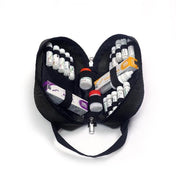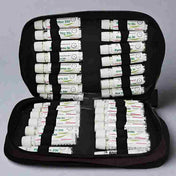


DiabFoot Care Homeopathy – Peripheral Skin & Nerve Comfort for Glycemic Sensitive Feet
DiabFoot Care Homeopathy – Peripheral Skin & Nerve Comfort for Glycemic Sensitive Feet - Secale Cornutum 30 – Dryness discoloration or temperature sensitivity is backordered and will ship as soon as it is back in stock.
Couldn't load pickup availability
Description
Description
A holistic homeopathic solution designed to support diabetic foot care by promoting skin integrity, circulation, and nerve wellness. Helps manage dryness, sensitivity, slow healing, and infection-prone skin—backed by traditional materia medica insights and supportive observational findings.
Homeopathic DiabFoot Care for Foot Skin Integrity & Nerve Wellness Support
Uncontrolled sugar levels can lead to nerve damage and poor circulation. This increases the risk of complications. Reduced sensation may prevent early detection of cuts, blisters, or sores, while impaired blood flow slows healing, potentially leading to serious conditions
An Indian Journal of Research in Homoeopathy (IJRH) reported observational study (81 patients, 63 completed) found statistically significant improvement in diabetic foot ulcer scores using select homeopathic medicines
Another IJRH case report shows that a chronic diabetic foot ulcer, persisting for 9 years, improved significantly within 3 months using individualized homeopathic treatment with Lachesis mutus in millesimal potency. Healing occurred without external applications, supported by photographic evidence and clinical assessment scores. The study suggests homeopathy may offer a non-invasive alternative in managing complicated diabetic ulcers.
Essential Foot Care Tips for Diabetics
- Monitor blood sugar levels to prevent complications.
- Inspect your feet daily for cuts, blisters, or color changes.
- Wash and moisturize your feet daily to keep the skin soft.
- Gently smooth corns and calluses to prevent thickened skin.
- Trim toenails carefully or seek professional help if needed.
- Always wear well-fitting shoes and socks to protect your feet.
- Avoid extreme temperatures to prevent burns or frostbite.
- Improve blood circulation through gentle exercise and foot movement.
Natural Homeopathic Remedies for Sensitive Foot Care Support
Not intended to diagnose, treat, cure or prevent any disease. Consult a qualified physician before use.
- Secale Cornutum 30 – Traditionally referenced in homeopathic literature for supporting peripheral skin comfort and areas experiencing dryness, discoloration, or temperature sensitivity.
- Arsenicum Album 30 – Addresses burning pain, foul-smelling wounds, and restlessness, with relief from warmth.
- Apis Mellifica 30 – Traditionally used in homeopathic practice for skin reactivity, especially in cases involving swelling, stinging sensations, or fluid-filled skin eruptions.
- Antimonium Crudum 30 – Referenced for thickened or hardened skin areas and dry, rough skin states.
- Carbo Vegetabilis 30 –Traditionally associated with support for skin vitality and tissue comfort, particularly in sluggish or fatigued states
- Hepar Sulph 30 – Commonly mentioned for sensitive skin conditions and areas prone to tenderness or heightened reactivity.
- Lachesis 200 – Traditionally referenced for skin discoloration tendencies and circulatory-related skin sensitivity.
- Rhus Tox 30 – Widely used in homeopathic literature for skin irritation and discomfort associated with sensitivity or reactivity
- Sulphuric Acid 30 – Referenced in materia medica for skin color changes and surface sensitivity patterns.
- Thiosinaminum 30 – Traditionally associated with skin texture irregularities and thickened skin areas.
- Tarentula Cubensis 30 – Commonly referenced for skin discomfort associated with inflammatory tendencies and sensitivity.
- Echinacea Ang Q – Traditionally included in homeopathic preparations associated with skin hygiene, tissue wellness, and overall systemic balance. Often referenced in contexts involving skin freshness and external cleansing applications. Promotes wound cleaning with its immune-stimulating, antifungal, and anti-inflammatory properties. Take 5 drops in water every two hours and use externally as a cleansing wash.
Topi Heal Antiseptic Cream
This homeopathic cream combines Calendula, Echinacea, and Millefolium to promote rapid healing of wounds, cuts, bedsores, and nappy rash. It reduces bleeding, prevents infection, and alleviates pain, making it ideal for various skin concerns.
Ferro Calendula Antiseptic Cream
Formulated with Calendula, Ferrum Phos, and Silicea, this cream is designed to treat cuts, open wounds, ulcers, and sores. It prevents sepsis, reduces inflammation, and promotes rapid healing, offering natural and effective care for minor injuries and skin irritations.
Regular application of these creams can aid in preventing infections and promoting faster recovery from skin injuries associated with diabetic foot conditions.
Homeopathy provides gentle and effective support in managing diabetic foot complications, infections, and circulation issues, promoting faster healing and reducing the risk of severe complications.
Dosage: The usual dosage is 3-4 drops in a teaspoon of water 2-3 times daily. Dosage may vary depending on the conditions. Always consult a Homeopathic Physician before taking medicine
Specification
Presentation: 30 ml sealed bottles, 25 Gms Tube
Manufacturer: Homeomart, SBL, Schwabe (Any)
Type: Oral & topical
Target Customers:
- Adults with Sugar condition (Type 1 or Type 2) experiencing foot ulcers, nerve damage, poor circulation, or early signs of deterioration due to long-standing high blood sugar and reduced peripheral sensation
- Secondary Target Customers: Individuals seeking natural, gentle homeopathic support for diabetic foot complications such as burning pain, cellulitis, callosities, blisters, infection-related concerns, or slow wound healing, alongside routine diabetes care
Source: blog article in ks-gopi dot blog spot dot com
Related Information
Related Information

DiabFoot Care Homeopathy – Peripheral Skin & Nerve Comfort for ...