Use code DED5, additional 5% off on orders > Rs.999

🇮🇳 Free shipping above Rs.600 *T&C 🚚

🌎 ✈️ Delivered Worldwide, Just for You ✨

Homeopathy Remedies for Breast Hypertrophy & Macromastia
0.01 kg
Rs. 110.00
Tax included, shipping and discounts calculated at checkout.

Description

A professional homeopathic repertorial reference for breast hypertrophy, macromastia and glandular breast symptoms. Maps classical rubrics such as enlarged, pendulous, indurated, painful, touch-sensitive, menstrual and climacteric breasts with key Materia Medica remedy differentiations.

Instantly bridge classical homeopathic rubrics with Materia Medica keynotes for breast hypertrophy, macromastia, and glandular conditions. Designed for precision case analysis and clinical efficiency.

Homeopathic Repertorial Matrix: Breast Hypertrophy & Macromastia Formula

The Breast Hypertrophy & Macromastia Repertorial Matrix bridges classical homeopathic rubric language with definitive Materia Medica keynotes. This e-commerce-ready reference tool cross-references 9 essential classical rubrics—from stony indurations and heavy, pendulous tissue to painful climacteric shifts—with pre-ranked remedy hierarchies (Conium, Calcarea carb, Sanguinaria, and more) and verified Boericke/Kent keynotes.

Key Benefits

  • Instant Clinical Clarity: Quickly cross-reference classical rubrics (enlarged, pendulous, indurated, painful, and climacteric) with top-tier remedies.

  • Materia Medica Integration: Built-in keynotes from Hering, Knerr, Boericke, Kent, and Clarke provide immediate pathological and constitutional context.

  • Streamlined Case Analysis: Features a pre-ranked hierarchy of top remedies to accelerate your repertorization workflow.

Repertory-Style Mapping Table

Rubric Category Top Remedy Ranking Core Materia Medica Keynote
Breasts, Enlarged / Hypertrophied Conium, Calcarea carb, Phytolacca, Iodium, Sepia Conium: Glandular induration and structural hypertrophy; Calcarea: Glandular tendency with flabby constitution.
Breasts, Pendulous / Hanging Calcarea carb, Sepia, Conium, Pulsatilla Calcarea: Large, lax, heavy tissue; Sepia: Tissue relaxation coupled with pelvic-uterine weakness.
Breasts, Hard / Indurated Conium, Carbo animalis, Silicea, Kreosotum, Calcarea carb Conium: Hard as cartilage, stony glandular swelling; Silicea: Slow, chronic induration with poor resolution.
Breasts, Painful Enlargement Sanguinaria, Conium, Phytolacca, Carbo animalis, Sepia Sanguinaria: Characteristic breast pain tied to climacteric changes; Phytolacca: Painful engorgement and soreness.
Breasts, Sensitive to Touch Conium, Chamomilla, Phytolacca, Medorrhinum, Syphilinum Conium: Sensitive indurations; Chamomilla: High touch-aggravation accompanied by intense irritability.
Breasts, Menstrual Aggravation Conium, Mercurius, Phytolacca, Thuja, Helonias Conium & Mercurius: Prominent in menstrual breast aggravation rubrics; Helonias: Female exhaustion terrain.
Breasts, Climacteric / Menopausal Conium, Sanguinaria, Sepia, Lachesis Sanguinaria: Painful enlargement during the climacteric; Sepia & Lachesis: Classic constitutional menopausal remedies.
Glandular Hypertrophy Calcarea carb, Conium, Iodium, Silicea, Baryta carb Iodium: Rapid endocrine-gland activity; Baryta: Delayed or abnormal glandular development.
Breasts, Full / Distended (Pregnancy-like) Calcarea carb, Lac caninum, Sepia, Pulsatilla Pulsatilla: False-pregnancy-like breast fullness and congestion; Sepia: Postpartum hormonal terrain.


Remedy Hierarchy & Differentiation Guide

  1. Conium Maculatum: The premier choice for hard, enlarged, stony, and indurated glands, especially during climacteric or chronic glandular developments.

  2. Calcarea Carbonica: Indicated when the structural profile features pendulous, heavy, flabby tissue within a sluggish lymphatic-glandular constitution.

  3. Sanguinaria Canadensis: The top remedy when the primary clinical feature is painful breast hypertrophy manifesting around the menopause transition.

  4. Iodium: Best selected when rapid glandular overactivity, thermal heat, and a wasting/consumptive tendency dominate the picture.

  5. Sepia Succus: Essential when breast enlargement correlates directly with uterine-ovarian exhaustion, postpartum laxity, or pelvic prolapse tendencies.

  6. Silicea: Indicated for stubborn, slow-developing, chronic indurations with poor tissue absorption and sluggish resolution.

  7. Phytolacca Decandra: Highly effective when soreness, tenderness, inflammation, and mastitis-like engorgement accompany the hypertrophy.

How to Select the Right Medicine & Potency?

For best results, choose a homeopathic remedy that closely matches your symptoms or follow your doctor’s recommendation.

Suggested Potencies:
Mild symptoms or children – 6C
Acute conditions – 30C or 200C
Chronic conditions or higher potencies – Consult a homeopath for the appropriate potency

A professional homeopath can offer personalized guidance to ensure safe and effective treatment.

Dosage/Recommended Use:

General: (Pills) Adult and children 2 years of age and older: Dissolve 4 pills under the tongue 3 times a day until relieved or as directed by a physician. (Drops): The usual dosage is 3-4 drops in a teaspoon of water 2-3 times daily. Dosage may vary depending on the conditions

Specific: Dosage and remedy selection should be individualized. Consult a qualified homeopathic physician for the best combination and potency tailored to your case

Homeopathic repertorization of breast hypertrophy and macromastia involves matching the individual breast symptoms and accompanying constitutional features with appropriate repertory rubrics and Materia Medica indications. Important differentiating features may include enlargement, pendulous or heavy breasts, induration, tenderness, pain, menstrual aggravation, climacteric symptoms and associated glandular changes. Remedies such as Conium, Calcarea carbonica, Sanguinaria, Sepia, Phytolacca, Iodium and Silicea may be considered according to the totality of the case rather than the diagnosis alone.

How should a remedy be selected for breast hypertrophy?

The diagnosis or breast size alone should not determine remedy selection. Repertorization should consider the complete symptom picture, including the character of enlargement, pain, induration, modalities, menstrual or climacteric relationship and associated constitutional symptoms.

Can breast enlargement or a breast lump be self-treated with homeopathy?

New, persistent or unexplained breast enlargement, a lump, skin or nipple changes, bloody nipple discharge, or significant pain should be medically evaluated to establish the cause. A repertory reference should not substitute for appropriate breast examination or diagnostic assessment.

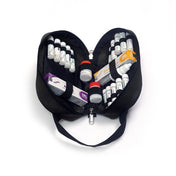
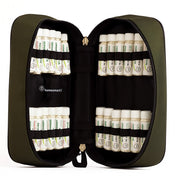
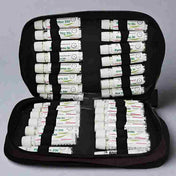
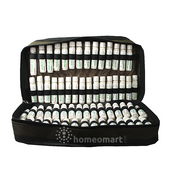
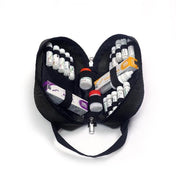
Disclaimer: The medicines listed here are solely based on suggestions either made by doctors on YouTube/Blog or references to Materia Medica whose reference is provided. Homeomart does not provide any medical advice or prescriptions or suggest self-medication. This is a part of the customer education initiative. We suggest you consult your physician before taking any medicines. Medicine Box Image for representative purposes only, actual may vary.

Related Information

Tags: homeopathic rubrics for breast hypertrophy, homeopathic repertory for macromastia, enlarged breasts homeopathy repertory, pendulous breasts homeopathy rubric, indurated breast homeopathy rubric, painful breast enlargement homeopathy, breast tenderness homeopathy repertory, breast pain during menopause homeopathy, menstrual breast pain homeopathic remedies, climacteric breast symptoms homeopathy, glandular hypertrophy homeopathic repertory, hard breast induration homeopathy, breast enlargement and tenderness homeopathy, homeopathic Materia Medica for breast symptoms, Conium breast hypertrophy rubric, Calcarea carbonica breast enlargement, Sanguinaria breast pain, Phytolacca breast tenderness, Sepia breast symptoms, Iodium glandular hypertrophy
homeopathy breast hypertrophy, breast hypertrophy homeopathy, macromastia homeopathy, homeopathic breast repertory, breast enlargement homeopathy, breast hypertrophy repertory, macromastia repertory, homeopathic breast rubrics, breast glandular conditions homeopathy, homeopathic Materia Medica breast, breast enlargement repertory, homeopathic repertory breast symptoms
Homeomart

Homeopathy Remedies for Breast Hypertrophy & Macromastia

From Rs. 80.00

A professional homeopathic repertorial reference for breast hypertrophy, macromastia and glandular breast symptoms. Maps classical rubrics such as enlarged, pendulous, indurated, painful, touch-sensitive, menstrual and climacteric breasts with key Materia Medica remedy differentiations.

Instantly bridge classical homeopathic rubrics with Materia Medica keynotes for breast hypertrophy, macromastia, and glandular conditions. Designed for precision case analysis and clinical efficiency.

Homeopathic Repertorial Matrix: Breast Hypertrophy & Macromastia Formula
The Breast Hypertrophy & Macromastia Repertorial Matrix bridges classical homeopathic rubric language with definitive Materia Medica keynotes. This e-commerce-ready reference tool cross-references 9 essential classical rubrics—from stony indurations and heavy, pendulous tissue to painful climacteric shifts—with pre-ranked remedy hierarchies (Conium, Calcarea carb, Sanguinaria, and more) and verified Boericke/Kent keynotes.

Key Benefits

Repertory-Style Mapping Table

Rubric Category Top Remedy Ranking Core Materia Medica Keynote
Breasts, Enlarged / Hypertrophied Conium, Calcarea carb, Phytolacca, Iodium, Sepia Conium: Glandular induration and structural hypertrophy; Calcarea: Glandular tendency with flabby constitution.
Breasts, Pendulous / Hanging Calcarea carb, Sepia, Conium, Pulsatilla Calcarea: Large, lax, heavy tissue; Sepia: Tissue relaxation coupled with pelvic-uterine weakness.
Breasts, Hard / Indurated Conium, Carbo animalis, Silicea, Kreosotum, Calcarea carb Conium: Hard as cartilage, stony glandular swelling; Silicea: Slow, chronic induration with poor resolution.
Breasts, Painful Enlargement Sanguinaria, Conium, Phytolacca, Carbo animalis, Sepia Sanguinaria: Characteristic breast pain tied to climacteric changes; Phytolacca: Painful engorgement and soreness.
Breasts, Sensitive to Touch Conium, Chamomilla, Phytolacca, Medorrhinum, Syphilinum Conium: Sensitive indurations; Chamomilla: High touch-aggravation accompanied by intense irritability.
Breasts, Menstrual Aggravation Conium, Mercurius, Phytolacca, Thuja, Helonias Conium & Mercurius: Prominent in menstrual breast aggravation rubrics; Helonias: Female exhaustion terrain.
Breasts, Climacteric / Menopausal Conium, Sanguinaria, Sepia, Lachesis Sanguinaria: Painful enlargement during the climacteric; Sepia & Lachesis: Classic constitutional menopausal remedies.
Glandular Hypertrophy Calcarea carb, Conium, Iodium, Silicea, Baryta carb Iodium: Rapid endocrine-gland activity; Baryta: Delayed or abnormal glandular development.
Breasts, Full / Distended (Pregnancy-like) Calcarea carb, Lac caninum, Sepia, Pulsatilla Pulsatilla: False-pregnancy-like breast fullness and congestion; Sepia: Postpartum hormonal terrain.


Remedy Hierarchy & Differentiation Guide

  1. Conium Maculatum: The premier choice for hard, enlarged, stony, and indurated glands, especially during climacteric or chronic glandular developments.

  2. Calcarea Carbonica: Indicated when the structural profile features pendulous, heavy, flabby tissue within a sluggish lymphatic-glandular constitution.

  3. Sanguinaria Canadensis: The top remedy when the primary clinical feature is painful breast hypertrophy manifesting around the menopause transition.

  4. Iodium: Best selected when rapid glandular overactivity, thermal heat, and a wasting/consumptive tendency dominate the picture.

  5. Sepia Succus: Essential when breast enlargement correlates directly with uterine-ovarian exhaustion, postpartum laxity, or pelvic prolapse tendencies.

  6. Silicea: Indicated for stubborn, slow-developing, chronic indurations with poor tissue absorption and sluggish resolution.

  7. Phytolacca Decandra: Highly effective when soreness, tenderness, inflammation, and mastitis-like engorgement accompany the hypertrophy.

How to Select the Right Medicine & Potency?

For best results, choose a homeopathic remedy that closely matches your symptoms or follow your doctor’s recommendation.

Suggested Potencies:
Mild symptoms or children – 6C
Acute conditions – 30C or 200C
Chronic conditions or higher potencies – Consult a homeopath for the appropriate potency

A professional homeopath can offer personalized guidance to ensure safe and effective treatment.

Dosage/Recommended Use:

General: (Pills) Adult and children 2 years of age and older: Dissolve 4 pills under the tongue 3 times a day until relieved or as directed by a physician. (Drops): The usual dosage is 3-4 drops in a teaspoon of water 2-3 times daily. Dosage may vary depending on the conditions

Specific: Dosage and remedy selection should be individualized. Consult a qualified homeopathic physician for the best combination and potency tailored to your case

Type

  • Drops (30ml)
  • Pills(2 Dram)

Potency

  • 6C
  • 30C
  • 200C
  • 1M

Medicine

  • Conium Maculatum: Hard Glandular Induration Remedy
  • Calcarea Carbonica: Heavy Pendulous Tissue Support
  • Sanguinaria Canadensis: Menopausal Breast Pain Formula
  • Iodium: Rapid Glandular Activity Remedy
  • Sepia Succus: Hormonal Laxity and Fatigue Support
  • Silicea: Chronic Induration and Resolution Remedy
  • Phytolacca Decandra: Sore Inflammatory Engorgement Formula
View product