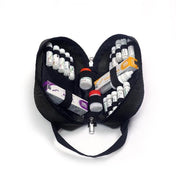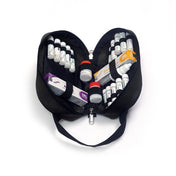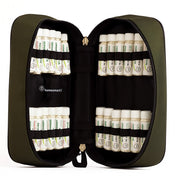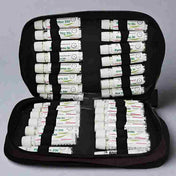
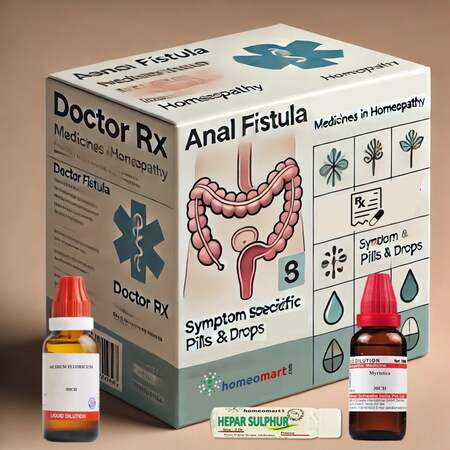
Homeopathy Fistula Care Kit – Remedies for Anal Fistula, Pus, Abscess & Fistula Discharge
Homeopathy Fistula Care Kit – Remedies for Anal Fistula, Pus, Abscess & Fistula Discharge - Drops / Classical Combination (Boericke/Kent style) - Silicea 200+Hepar Sulph200+Calc Sulp 200 is backordered and will ship as soon as it is back in stock.
Couldn't load pickup availability
Description
Description
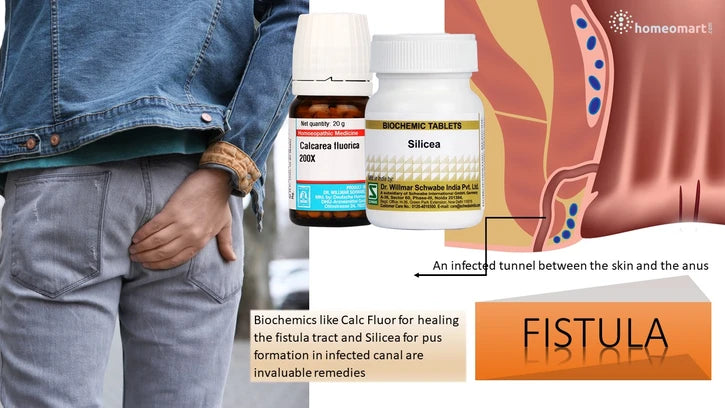
Homeopathy Fistula Care Kit combines traditionally used homeopathic remedies including Silicea, Hepar Sulph, Calcarea Sulph, Belladonna and Paeonia for symptom-based support in fistula, recurrent abscesses, pus discharge, tenderness and slow-healing fistulous conditions.
1) Classical Combination (Boericke/Kent style) — Chronic fistula with pus/induration
Use when there is a long‑standing fistula with recurrent abscesses, pus discharge (often offensive), and hard/indurated edges.
Silicea 200C + Hepar sulphuris calcareum 200C + Calcarea sulphurica 30C
-
Dose: 2 pellets of each together under the tongue twice daily for 6–8 weeks; in acute flare‑ups with increased pain/swelling, give the same combination every 3 hours while awake for 24–48 hours, then return to twice daily.
-
Keynotes:
-
Silicea: chronic fistula with thin, offensive pus; tendency to recurrent abscesses and slow healing.
-
Hepar sulph: very tender, painful tracts that feel worse to touch/cold; promotes drainage and reduces suppuration.
-
Calcarea sulph: yellow, thick, persistent purulent discharge; supports tissue repair after abscess/fistula
-
- Content: 3 units of 30ml or 1 unit of 2 dram medicated globule
2) Banerji Protocol Combination — Fistula / recurrent anorectal abscess
Use for persistent or recurrent fistula where you want a simple, protocol‑style approach.
Hepar sulphuris calcareum 200C + Silicea 200C
-
Dose: 2 pellets of each together under the tongue twice daily for at least 3 months; continue until the tract shows clear signs of healing (reduced discharge, less tenderness), then taper to once daily for 2–4 weeks and stop.
-
Rationale: this Banerji‑style pair is commonly used for chronic suppurating conditions (boils, abscesses, fistulous tracts) to control infection and encourage closure
- Content: 2 units of 30ml or 1 unit of 2 dram medicated globule
Key Homeopathic Single Remedies for Fistula Relief
-
Belladonna 30
-
Indication: Initial stage of fistula with pus formation.
-
Symptoms: Throbbing pain, fever, redness, and tenderness around the anus. Development of a small tunnel when pus drains.
-
Action: Reduces inflammation, alleviates pain, and curbs the progression of infection.
-
-
Hepar Sulph 30
-
Indication: Second stage of fistula with intense pain and pus formation.
-
Symptoms: Sensitivity, raw smarting pain during stools, lingering discomfort.
-
Action: Promotes abscess drainage, reduces tenderness, and accelerates healing.
-
-
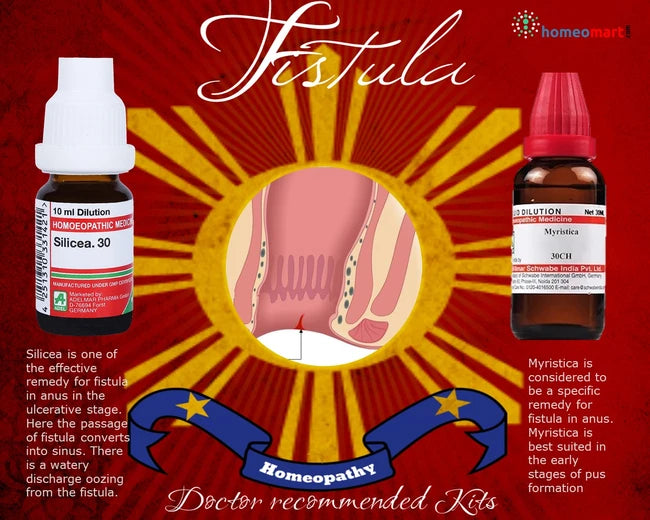
Silicea 1M
-
Indication: Ulcerative stage.
-
Symptoms: Watery discharge, redness, swelling, and sinus formation in the fistula tract.
-
Action: Encourages sinus closure, reduces discharge, and supports tissue regeneration.
-
-
Myristica Sebifera Q
-
Indication: Early stages of pus formation.
-
Symptoms: Painful, difficult stool passage with yellow mucus.
-
Action: Aborts pus formation, alleviates pain, and aids in stool passage.
-
-
Lachesis 200
-
Indication: Chronic fistula.
-
Symptoms: Constant throbbing pain, tight sensation around the anus, chronic constipation, and offensive stools.
-
Action: Reduces chronic inflammation, eases pain, and addresses associated constipation.
-
-
Paeonia Officinalis Q
-
Indication: Fistula with severe pain and ulceration.
-
Symptoms: Excruciating pain, itching, burning sensation, offensive moisture, and swollen anal orifice.
-
Action: Heals ulcers, reduces itching and swelling, and soothes the anal region.
-
-
Causticum 200
-
Indication: Fistula with associated piles.
-
Symptoms: Difficulty passing stools, soreness, burning pain, and mucus-covered stools.
-
Action: Addresses mechanical stresses from piles, promotes healing, and eases stool passage.
-
-
Hydrastis Canadensis 3X
-
Indication: Fistula with constipation and fissures.
-
Symptoms: Raw smarting pain during and after stools, sinking sensation in the stomach.
-
Action: Relieves constipation, reduces pain, and promotes mucosal healing.
-
-
Nitric Acid 1000
-
Indication: Fistula with soreness and discharge.
-
Symptoms: Greenish discharge, violent cutting pain lasting hours, itching, and difficulty passing stool.
-
Action: Reduces mucosal irritation, soothes pain, and treats fissures.
-
-
Berberis Vulgaris Q
-
Indication: Fistula with burning pain and biliary symptoms.
-
Symptoms: Tearing or smarting pain, itching, and bilious complications.
-
Action: Relieves biliary fistula symptoms, reduces itching, and addresses inflammation.
-
-
Fluoric Acid 30
-
Indication: Fistula with discharges.
-
Symptoms: Itching, burning, and abnormal yellow or blood-tinged drainage.
-
Action: Reduces discharge, prevents complications, and supports tissue recovery
-
-
Calcarea Sulph 30
-
Indication: Painful abscess with pus discharge.
-
Symptoms: Shooting pain, thick yellow pus, and abscess around the anus.
-
Action: Drains abscesses, reduces pain, and promotes healing.
-
-
Bacillinum 1M
-
Indication: Tubercular patients with susceptibility to colds.
-
Action: Acts as an intercurrent remedy, enhancing immunity and supporting treatment.
-
-
Sulphur 1M
-
Indication: Blind fistula with yellowish or greenish discharge.
-
Action: Facilitates drainage, prevents infection, and promotes healing.
-
Usage Instructions
-
Pills: Adults and children aged 2 years and older: Dissolve 4 pills under the tongue 3 times a day or as directed by a physician.
-
Drops: Mix 3-4 drops in a teaspoon of water and take 2-3 times daily. Adjust dosage as per physician’s advice.
Biochmeic Salt for Fistula Healing
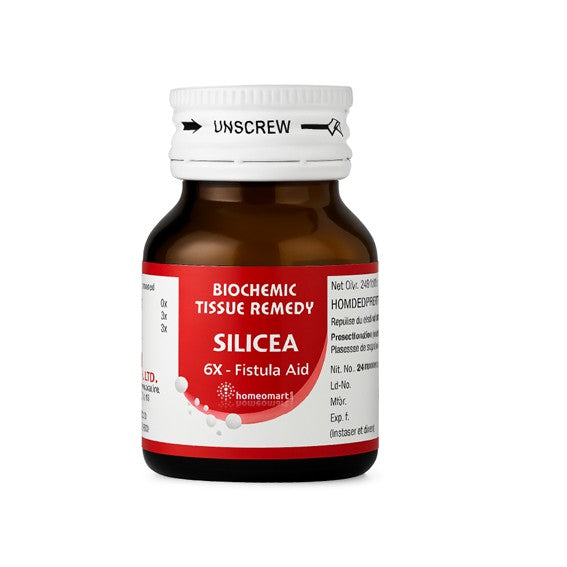
Silicea 6X offers deep healing support for anal fistula cases marked by chronic pus, slow tissue repair, and recurring abscesses. Silicea enhances drainage, strengthens connective tissue, and promotes long-term recovery of fistulous tracts. It complements the kit’s infection-fighting action by addressing internal weakness and poor wound healing. Ideal for persistent or post-surgical fistula management.
Important Notes
-
Match the remedies to the indicated symptoms for best results.
-
Always consult a homeopathic physician before use.
-
Remedies are available in 2-dram medicated globules or 30 ml dilutions (sealed units).
Benefits of the Symptom Specific Homeopathy Remedies
- Non-surgical treatment option for anal fistula.
- Promotes natural healing by addressing each stage of fistula progression.
- Reduces pain, inflammation, and discharge effectively.
- Prevents recurrence through comprehensive tissue repair and immune support.
Tip: Combine this treatment with proper hygiene and a fiber-rich diet to enhance recovery.
Source: Adapted from the blog article on ks-gopi.blogspot.com.
Related Information
Related Information
Frequently Asked Questions — Fistula Treatment
How do you treat a fistula without surgery?
Some fistulas can be managed with non-surgical or minimally invasive approaches depending on type and complexity. Options include prolonged drainage (seton placement), fibrin-glue or bioprosthetic plug to seal the tract, laser therapy, and medical therapy for underlying causes (for example, immunomodulators in Crohn’s disease). Conservative measures (antibiotics, sitz baths, hygiene, diet) help control infection and symptoms but rarely cure established fistula tracts. Treatment choice depends on fistula anatomy and cause — specialist assessment is essential. :contentReference[oaicite:0]{index=0}
What is the best treatment for a fistula?
The most reliable curative treatments are procedural — commonly surgical — tailored to the fistula’s location and complexity. Procedures include fistulotomy, LIFT (ligation of intersphincteric fistula tract), advancement flaps, or seton-assisted repairs. Minimally invasive approaches (fibrin glue, plugs, laser, or LIFT) may be considered for selected cases to reduce sphincter risk. A colorectal surgeon will recommend the optimal option balancing cure rate and risk of incontinence. :contentReference[oaicite:1]{index=1}
Can I live with a fistula?
Mild or well-controlled fistulas may be managed conservatively for symptom relief, but most untreated fistulas tend to recur, cause persistent drainage, infections or abscesses, and reduce quality of life. Long-term living with an active fistula is possible in some chronic, complex cases (often under specialist care), but definitive treatment is usually advised to prevent complications. Discuss risks and management goals with your specialist. :contentReference[oaicite:2]{index=2}
Is a fistula painful?
Yes — fistulas commonly cause pain, local tenderness, swelling and discharge; pain can be intermittent or severe, especially during infection or abscess formation. Symptom severity depends on location and whether the tract is infected. Pain control, sitz baths and antibiotics (if infected) are used while arranging definitive treatment. :contentReference[oaicite:3]{index=3}
How long does fistula treatment take and can it recur?
Healing time varies: minor procedures may heal in a few weeks, while complex fistulas can take months and may require staged treatments. Recurrence is possible — some techniques have higher recurrence rates than others — which is why the procedure is chosen to balance cure vs. sphincter preservation. Follow-up and specialist care reduce recurrence risk.
Disclaimer: This information is educational only and not a substitute for professional medical advice. For diagnosis and personalised treatment options, consult a qualified colorectal surgeon or your healthcare provider.
Homeopathy Fistula Care Kit – Remedies for Anal Fistula, Pus, Absc...