

Homeopathic Stroke Recovery Remedies: Repertory Analysis & Remedy Indications
Homeopathic Stroke Recovery Remedies: Repertory Analysis & Remedy Indications - 6C / Aconite – Fear- shock -early attack is backordered and will ship as soon as it is back in stock.
Couldn't load pickup availability
Description
Description
This comprehensive collection of Homeopathic Stroke Recovery Remedies is designed as a reference guide for symptom-based remedy selection during acute and post-stroke care. Covering commonly indicated medicines such as Arnica, Causticum, Gelsemium, Lachesis, Baryta Carbonica, Nux Vomica, and Plumbum Metallicum, it provides valuable insights into paralysis, hemiplegia, speech impairment, muscle weakness, memory decline, and neurological rehabilitation support.
Homeopathic Stroke Treatment: Primary Remedies, Symptoms & Decision Tree
This guide details specific symptoms, repertory grades, and acute vs. recovery indications.
Materia Medica of Primary Stroke Remedies
1. ACON. (Aconitum Napellus)
-
Phase: Very early/Acute stage (immediately after the event).
-
Key Symptoms:
-
Sudden onset, often triggered by fear, shock, or exposure to cold, dry wind.
-
High blood pressure with a full, bounding pulse.
-
Mental State: Intense fear of death; extreme anxiety and restlessness.
-
Physical: Numbness and tingling (formication) in the affected parts (arm/leg) before paralysis sets in completely.
-
2. ANAC. (Anacardium Orientale)
-
Phase: After-effects (Sequelae) or mental decline.
-
Key Symptoms:
-
Mental State: Profound loss of memory following a stroke. The patient may feel they have "two wills" (internal conflict).
-
Physical: Sensation of a "hoop" or "band" around body parts.
-
Modalities: Symptoms often feel better while eating.
-
3. ARN. (Arnica Montana)
-
Phase: Acute (Trauma/Hemorrhage) and Recovery.
-
Key Symptoms:
-
The specific remedy for hemorrhagic stroke (bursting of blood vessels).
-
Sore, bruised feeling all over the body.
-
Mental State: The patient answers questions correctly but then falls back into a stupor; says "There is nothing the matter with me" despite being ill.
-
Physical: Involuntary discharge of stool and urine during stupor. Head feels hot, body feels cold.
-
4. BAR-C. (Baryta Carbonica)
-
Phase: Chronic/Old Age (Prevention or Sequelae).
-
Key Symptoms:
-
Indicated for stroke in the elderly with premature senility or dementia.
-
Physical: Paralysis of the tongue (swallowing difficulties, slurred speech).
-
Mental State: Childish behavior; loss of memory; confusion.
-
Physical: Cold feet; general weakness of the body and mind.
-
5. BELL. (Belladonna)
-
Phase: Acute Congestive Phase.
-
Key Symptoms:
-
Appearance: Red, hot face; throbbing carotid arteries (neck); dilated pupils; wild look in eyes.
-
Onset: Sudden and violent.
-
Physical: Twitching, jerking, or spasms. Right-sided paralysis (hemiplegia) is common.
-
Modality: Worse from jarring, light, or noise.
-
6. BRY. (Bryonia Alba)
-
Phase: Acute or Sub-acute.
-
Key Symptoms:
-
Modality: Worse from the slightest motion. The patient wants to lie perfectly still.
-
Mental State: Irritable; talks about business affairs even when delirious.
-
Physical: Dry mouth; immense thirst. Congestion to the head with a bursting headache.
-
7. CAUST. (Causticum)
-
Phase: Chronic Paralysis/Rehabilitation.
-
Key Symptoms:
-
Side: Frequently indicated for Right-sided paralysis.
-
Physical: Contractures of tendons (limbs drawn up). Paralysis of single parts (e.g., vocal cords causing aphonia/loss of voice, eyelids causing ptosis).
-
Modality: Worse in clear, dry weather; better in damp/wet weather.
-
8. COCC. (Cocculus Indicus)
-
Phase: Vertigo/Pre-stroke or associated paralysis.
-
Key Symptoms:
-
Onset: Stroke preceded by severe vertigo (dizziness) and nausea.
-
Physical: Great weakness of the neck muscles (head feels too heavy to hold up). Paralysis of the lower limbs.
-
Cause: often triggered by loss of sleep or nursing loved ones (caregiver burnout).
-
9. GELS. (Gelsemium)
-
Phase: Onset or Paralytic weakness.
-
Key Symptoms:
-
Physical: Heaviness of the eyelids (drooping); heavy limbs; trembling and tremors.
-
Mental State: Dullness, dizziness, and drowsiness (The "3 Ds").
-
Speech: Thick, heavy speech; tongue feels too thick for the mouth.
-
Modality: Absence of thirst.
-
10. GLON. (Glonoinum)
-
Phase: Hyper-acute Congestion (High BP crisis).
-
Key Symptoms:
-
Sensation: Bursting headache; feels as if the head would explode.
-
Physical: Visible throbbing of arteries in the neck and head.
-
Modality: Cannot bear any heat around the head; worse from the sun.
-
Difference from Belladonna: Glonoinum has more intense surging of blood (irregular) compared to Belladonna's constant heat.
-
11. HYDR-AC. (Hydrocyanic Acid)
-
Phase: Sudden Collapse ("Thunderbolt").
-
Key Symptoms:
-
Onset: Sudden, violent collapse. The patient falls with a shriek.
-
Physical: Cyanosis (blue skin); coldness; prolonged fainting spells.
-
Respiration: Gasping, irregular breathing (Cheyne-Stokes respiration).
-
Indication: When the stroke threatens immediate heart/respiratory failure.
-
12. IP. (Ipecacuanha)
-
Phase: Spasmodic or Hemorrhagic with Nausea.
-
Key Symptoms:
-
Key Note: Persistent, constant nausea that is not relieved by vomiting.
-
Physical: Difficulty breathing (suffocative wheezing) accompanying the stroke. Bright red hemorrhage (if hemorrhagic stroke).
-
13. LACH. (Lachesis Mutus)
-
Phase: Acute or Chronic.
-
Key Symptoms:
-
Side: Frequently indicated for Left-sided paralysis.
-
Modality: Worse after sleep (wakes up into the aggravation).
-
Physical: Intolerance of tight clothing around the neck or waist.
-
Speech: Aphasia (cannot find the right words) or Loquacity (talking excessively and rapidly).
-
14. NUX-V. (Nux Vomica)
-
Phase: Recovery/Rehabilitation (or prevention in high-stress types).
-
Key Symptoms:
-
Constitution: The "Type A" executive—sedentary, stressed, irritable, overindulges in coffee/alcohol/rich food.
-
Physical: Paresis (incomplete paralysis) rather than full paralysis. Dragging of feet.
-
Modality: Chilliness; worse in cold air.
-
15. OP. (Opium)
-
Phase: Deep Coma/Stupor.
-
Key Symptoms:
-
Appearance: Face is dark red, bloated, and hot.
-
Respiration: Stertorous breathing (loud snoring/rattling) and cheeks blow out during expiration.
-
Mental State: Unconsciousness; cannot be aroused. Painlessness of all complaints.
-
Physical: Jaw dropped; eyes half-open.
-
16. PLB. (Plumbum Metallicum)
-
Phase: Chronic Sclerosis/Atrophy.
-
Key Symptoms:
-
Physical: Progressive muscular atrophy (wasting away of muscles) in the paralyzed parts.
-
Specifics: Wrist drop; extensors are more affected than flexors.
-
Associated: Chronic constipation; blue line on gums (lead line).
-
How to Select the Right Medicine & Potency?
For best results, choose a homeopathic remedy that closely matches your symptoms or follow your doctor’s recommendation.
Suggested Potencies:
✔ Mild symptoms or children – 6C
✔ Acute conditions – 30C or 200C
✔ Chronic conditions or higher potencies – Consult a homeopath for the appropriate potency
A professional homeopath can offer personalized guidance to ensure safe and effective treatment.
| Attribute | Details |
|---|---|
| Size / Presentation | 30 ml sealed Bottles |
| Manufacturer | Homeomart / SBL / Schwabe / Simila (any) |
| Form | Drops |
| Option Weight | 75 gms (unit wt) |
| Potency | 30C – 1M |
| Target Customer | Stroke patients / post-stroke recovery / neurologic support |
| Source | Homeopathic Repertory (Lotus Materia Medica by Robin Murphy MD) |
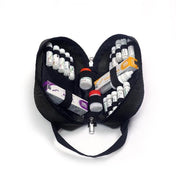
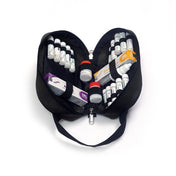
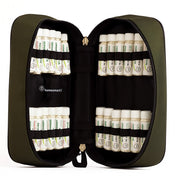
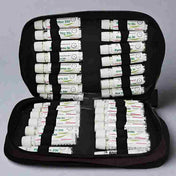
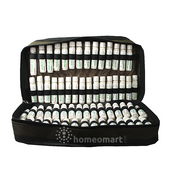
Disclaimer: The medicines listed here are solely based on suggestions either made by doctors on YouTube/Blog or references to Materia Medica whose reference is provided. Homeomart does not provide any medical advice or prescriptions or suggest self-medication. This is a part of the customer education initiative. We suggest you consult your physician before taking any medicines. Medicine Box Image for representative purposes only, actual may vary.
Related Information
Related Information

Homeopathic Stroke Recovery Remedies: Repertory Analysis & Reme...