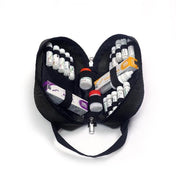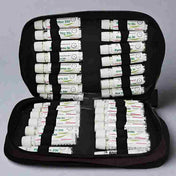

मैगनोलिया ग्रैंडिफ्लोरा होम्योपैथी दिल की बेचैनी और जोड़ों की अकड़न के लिए गोलियां
मैगनोलिया ग्रैंडिफ्लोरा होम्योपैथी दिल की बेचैनी और जोड़ों की अकड़न के लिए गोलियां - 2 ड्राम / 6C इसका बैकऑर्डर दिया गया है और जैसे ही यह स्टॉक में वापस आएगा, इसे भेज दिया जाएगा।
पिकअप उपलब्धता लोड नहीं की जा सकी
विवरण
विवरण
मैगनोलिया ग्रैंडिफ्लोरा होम्योपैथी पिल्स एक पारंपरिक होम्योपैथिक उपचार है जिसे शास्त्रीय होम्योपैथिक सिद्धांतों के अनुसार तैयार किया गया है। होम्योपैथिक मेटेरिया मेडिका में, मैगनोलिया ग्रैंडिफ्लोरा मुख्य रूप से हृदय, परिधीय परिसंचरण और संधिवात प्रणाली पर अपनी क्रिया के लिए जाना जाता है। जब किसी व्यक्ति के लक्षण-चित्र के अनुसार निर्धारित किया जाता है तो इसे पारंपरिक रूप से हृदय की परेशानी, संधिवात दर्द, अकड़न और बदलती मांसपेशियों या जोड़ों के दर्द से जुड़े लक्षणों के लिए चुना जाता है।
हृदय की परेशानी, संधिवात दर्द और जोड़ों की अकड़न के लिए मैगनोलिया ग्रैंडिफ्लोरा होम्योपैथी पिल्स
मैगनोलिया ग्रैंडिफ्लोरा होम्योपैथी पिल्स मैगनोलिया ग्रैंडिफ्लोरा के फूलों से तैयार की जाती हैं। शास्त्रीय होम्योपैथिक साहित्य इस उपचार को हृदय, परिसंचरण, मांसपेशियों और जोड़ों के लिए एक चिह्नित संबंध के रूप में वर्णित करता है। यह विशेष रूप से भटकने वाले या वैकल्पिक दर्द से चिह्नित संधिवात स्थितियों के लिए जाना जाता है, साथ ही हृदय क्षेत्र को प्रभावित करने वाले लक्षणों के लिए भी।
बोरिक, क्लार्क और एलन के अनुसार, मैगनोलिया ग्रैंडिफ्लोरा को पारंपरिक रूप से छाती के दबाव, ऐंठन जैसे हृदय दर्द, परिश्रम पर सांस फूलना, जोड़ों की अकड़न, मांसपेशियों में दर्द और अनियमित संधिवात दर्द जो तेजी से स्थान बदलते हैं, के मामलों में माना जाता है। उपचार-चित्र में ऐसे लक्षण भी शामिल हैं जो नम मौसम और बाईं ओर लेटने से बिगड़ते हैं, और गति और शुष्क मौसम से बेहतर होते हैं।
मान्यता प्राप्त होम्योपैथिक फार्माकोपियल मानकों के अनुसार निर्मित, मैगनोलिया ग्रैंडिफ्लोरा होम्योपैथी पिल्स एक सुविधाजनक और आसानी से प्रशासित खुराक रूप प्रदान करती हैं जो पेशेवर मार्गदर्शन में नियमित होम्योपैथिक उपयोग के लिए उपयुक्त है।
मैगनोलिया ग्रैंडिफ्लोरा होम्योपैथी पिल्स के प्रमुख लाभ
- पारंपरिक रूप से भटकने वाले संधिवात दर्द से राहत का समर्थन करता है।
- होम्योपैथिक सिद्धांतों के अनुसार मांसपेशियों और जोड़ों की अकड़न को दूर करने में मदद कर सकता है।
- व्यक्तिगत लक्षण-चित्र के आधार पर हृदय-क्षेत्र की परेशानी के लिए पारंपरिक रूप से उपयोग किया जाता है।
- छाती में दबाव या संकुचन का अनुभव करने वाले व्यक्तियों का समर्थन करता है।
- शास्त्रीय मेटेरिया मेडिका में वर्णित हृदय के आसपास के ऐंठन जैसे दर्द में मदद कर सकता है।
- पारंपरिक रूप से जहां संधिवात के लक्षण हृदय संबंधी शिकायतों के साथ वैकल्पिक होते हैं, वहां माना जाता है।
- सौम्य, गैर-आदत बनाने वाला होम्योपैथिक सूत्रीकरण।
-
सुविधाजनक दैनिक उपयोग के लिए ले जाने में आसान औषधीय ग्लोब्यूल्स।
होम्योपैथिक संकेत
पारंपरिक होम्योपैथिक साहित्य के अनुसार, मैगनोलिया ग्रैंडिफ्लोरा इसके लिए संकेतित हो सकता है:
- संधिवात दर्द
- मांसपेशियों का संधिवात
- जोड़ों का संधिवात
- भटकने वाले या बदलते जोड़ों के दर्द
- हृदय की परेशानी (होम्योपैथिक संकेत)
- छाती का दबाव
- एनजाइना पेक्टोरिस (पारंपरिक होम्योपैथिक संकेत)
- हृदय संबंधी लक्षणों से जुड़ा डिसप्निया
- एंडोकार्डिटिस (होम्योपैथिक उपचार का चयन)
- पेरीकार्डिटिस (होम्योपैथिक उपचार का चयन)
- एओर्टिक एन्यूरिज्म (क्लार्क में नैदानिक संदर्भ)
- उपचार-चित्र से जुड़ा चक्कर आना
- नम मौसम के संपर्क में आने के बाद अकड़न
होम्योपैथिक दवा का चयन चिकित्सा निदान के बजाय व्यक्ति के संपूर्ण लक्षण-चित्र पर आधारित होता है।
उपचार प्रोफ़ाइल
मैगनोलिया ग्रैंडिफ्लोरा मुख्य रूप से इस पर कार्य करता है:
- हृदय
- परिधीय परिसंचरण
- छाती
- मांसपेशियां
- जोड़
- संयोजी ऊतक
इस उपचार की आवश्यकता वाले रोगी अक्सर संधिवात दर्द के साथ प्रस्तुत होते हैं जो अक्सर स्थान बदलते हैं, मांसपेशियों और जोड़ों की अकड़न, दर्द, छाती में दबाव, हृदय के आसपास ऐंठन जैसे दर्द, और सांस फूलना जो परिश्रम पर या बाईं ओर लेटने पर बिगड़ सकता है।
संबोधित किए गए सामान्य लक्षण
- भटकने वाले संधिवात दर्द
- जोड़ों की अकड़न
- मांसपेशियों में दर्द
- हृदय की परेशानी
- छाती का दबाव
- ऐंठन जैसा हृदय दर्द
- सांस फूलना
- हंसली में संधिवात दर्द
- बाईं बांह का सुन्न होना
- प्लीहा और हृदय के बीच वैकल्पिक दर्द
- सुबह की अकड़न
-
नम मौसम से बिगड़ने वाले लक्षण
उत्पाद की विशेषताएं
- पारंपरिक प्रभावकारिता: इष्टतम शक्ति और प्रभावशीलता के लिए हस्त-सक्शन के साथ एचपीआई-अनुरूप तनुकरण का उपयोग करके तैयार किया गया।
- सुरक्षित और प्राकृतिक: शरीर की उपचार प्रणाली के साथ धीरे-धीरे काम करता है, जिसमें न्यूनतम या कोई दुष्प्रभाव नहीं होता है।
- सुविधाजनक प्रारूप: ले जाने में आसान औषधीय ग्लोब्यूल्स, घर और यात्रा उपयोग के लिए आदर्श।
- किफायती पैक: लगभग 220 औषधीय गोलियां युक्त 2-ड्रैम कांच की शीशी में आपूर्ति की जाती है।
संरचना:
- सक्रिय संघटक: मैगनोलिया ग्रैंडिफ्लोरा होम्योपैथिक डाइल्यूशन (विभिन्न शक्तियों में उपलब्ध)
- निष्क्रिय संघटक: सुक्रोज (औषधीय गोलियों के लिए आधार के रूप में)
खुराक:
वयस्क और 2 साल से ऊपर के बच्चे: दिन में तीन बार 4 ग्लोब्यूल्स को जीभ के नीचे घोलें या जैसा कि एक होम्योपैथिक चिकित्सक द्वारा निर्धारित किया गया हो।
अधिकतम अवशोषण के लिए सर्वोत्तम अभ्यास
- 15 मिनट का नियम: अपनी दवा लेने से कम से कम 15 मिनट पहले और बाद में खाने, पीने या दांतों को ब्रश करने से बचें। यह सुनिश्चित करता है कि दवा आपके मुंह में श्लेष्मा झिल्ली के माध्यम से पूरी तरह से अवशोषित हो जाए।
- साफ-सफाई बनाए रखें: छर्रों को अपने हाथों से छूने से बचें। बस टोपी से सीधे आवश्यक संख्या में छर्रों को अपने मुंह में डालें और उन्हें अपनी जीभ के नीचे घुलने दें।
- भंडारण टिप: अपनी दवाओं को सीधे धूप और तेज सुगंध (जैसे कपूर, कॉफी, या आवश्यक तेल) से दूर एक ठंडी, सूखी जगह पर रखें, क्योंकि ये उनकी प्रभावकारिता को कम कर सकते हैं।
मेटेरिया मेडिका संदर्भ
क्लार्क की प्रैक्टिकल मेटेरिया मेडिका की डिक्शनरी
क्लार्क मुख्य नैदानिक अनुप्रयोगों को एन्यूरिज्म, एनजाइना पेक्टोरिस, हृदय के विकार, संधिवात, चक्कर और अंतर-मासिक धर्म प्रवाह के रूप में सूचीबद्ध करता है। वह नोट करते हैं कि यह उपचार चोट, संकुचन और संधिवात दर्द पैदा करता है जो तेजी से स्थान बदलते हैं और हृदय और छाती पर इसकी क्रिया पर जोर देते हैं, एलन के मूल रोगजनन का हवाला देते हुए। अंतर-मासिक धर्म प्रवाह का अवलोकन एक प्राथमिक चिकित्सीय क्षेत्र के बजाय एक सिद्ध लक्षण के रूप में दर्ज किया गया है।
बोरिक की मेटेरिया मेडिका
बोरिक मैगनोलिया ग्रैंडिफ्लोरा को एक ऐसे उपचार के रूप में वर्णित करता है जिसमें संधिवात और हृदय संबंधी घाव प्रमुख विशेषताएं हैं। विशिष्ट लक्षणों में छाती का दबाव, एनजाइना पेक्टोरिस, ऐंठन जैसा हृदय दर्द, डिसप्निया, एंडोकार्डिटिस, पेरीकार्डिटिस, अनियमित संधिवात दर्द, अकड़न, दर्द, बाईं बांह का सुन्न होना, और नम मौसम और बाईं ओर लेटने से बिगड़ना शामिल है।
एलन की मेटेरिया मेडिका और होम्योपैथिक थेरेप्यूटिक्स की हैंडबुक
टी. एफ. एलन कहते हैं कि मैगनोलिया ग्रैंडिफ्लोरा हृदय और परिधीय परिसंचरण पर कार्य करता है, इसकी क्रिया की तुलना कैक्टस से करते हैं। वह नम हवा से अकड़न, संधिवात दर्द जो एक स्थान से दूसरे स्थान पर बदलते हैं, व्यायाम से ठीक होने वाला दर्द, ऐंठन जैसा हृदय दर्द, छाती का दबाव, और मांसपेशियों और जोड़ों का संधिवात को उपचार की विशिष्ट विशेषताओं के रूप में दर्ज करते हैं।
संबंधित जानकारी
संबंधित जानकारी

मैगनोलिया ग्रैंडिफ्लोरा होम्योपैथी दिल की बेचैनी और जोड़ों की अकड़न...