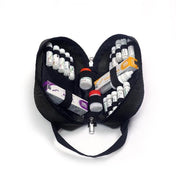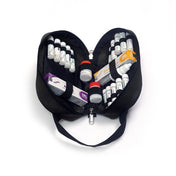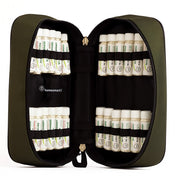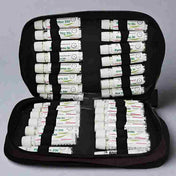

লোটাস মেটেরিয়া মেডিকা – মৃগীরোগের প্রতিকার নির্দেশিকা | রুব্রিক্স এবং র্যাশনাল - রবিন পি. মারফি
লোটাস মেটেরিয়া মেডিকা – মৃগীরোগের প্রতিকার নির্দেশিকা | রুব্রিক্স এবং র্যাশনাল - রবিন পি. মারফি - ড্রপস / ৬সি / আর্জেন্টাম মেট - প্রত্যাশাজনিত উদ্বেগজনিত অবস্থা ব্যাকঅর্ডার করা হয়েছে এবং স্টকে ফিরে আসার সাথে সাথেই পাঠানো হবে।
পিকআপের উপলভ্যতা লোড করা যায়নি
বর্ণনা
বর্ণনা
রবিন মারফির লোটাস মেটেরিয়া মেডিকা থেকে উচ্চ-মানের হোমিওপ্যাথিক মৃগীরোগের প্রতিকারের একটি সংকলিত সংগ্রহ খুঁজে নিন। এতে রেপার্টোরিয়াল রুব্রিক, প্রতিকারের যৌক্তিকতা, খিঁচুনি-প্যাটার্ন শ্রেণিবিন্যাস, গঠনগত পার্থক্য এবং রেপার্টোরিজেশন ও প্রতিকার নির্বাচনের জন্য ক্লিনিকাল নির্দেশিকা অন্তর্ভুক্ত রয়েছে।
| প্রতিকার | মূল রেপার্টোরিয়াল রুব্রিক | প্রতিকারের যৌক্তিকতা |
|---|---|---|
| ARG. / ARG-N. | মন, উদ্বেগ; নিউরালজিয়া; অস্থিরতা; ভয়; প্রত্যাশা থেকে উদ্ভূত অসুস্থতা | আর্জেন্টাম মেটালিকাম ও আর্জেন্টাম নাইট্রিকাম সাধারণত প্রত্যাশা বা পূর্বানুমানজনিত অবস্থা এবং স্নায়বিক উত্তেজনার সাথে সামঞ্জস্যপূর্ণ, যা এটিকে কার্যকরী স্নায়বিক রোগের জন্য একটি শক্তিশালী ক্লিনিকাল পছন্দ করে তোলে। |
| BAR-M. | মন, বুদ্ধিবৈকল্য/বার্ধক্যজনিত জড়তা; গ্রন্থি; দুর্বলতা; মাথা ঘোরা | বেরাইটা মিউরিয়াটিকা সাধারণত রেপার্টোরিয়াল অনুশীলনে বিলম্বিত বিকাশ, বার্ধক্যজনিত পরিবর্তন এবং গ্রন্থির দুর্বলতার সাথে যুক্ত। |
| BELL. | জ্বর; রক্তসঞ্চালন বৃদ্ধি; ধড়ফড়ানি; প্রলাপ; খিঁচুনি | বেলেডোনা একটি উচ্চ-তীব্রতার তীব্র রোগের প্রতিকার, যা প্রায়শই হঠাৎ প্রদাহজনক এবং স্নায়বিক রুব্রিকের ক্ষেত্রে ব্যবহৃত হয়। |
| BUFO | অতিরিক্ত যৌনক্রিয়া; হস্তমৈথুন; খিঁচুনি; মানসিক জড়তা; মৃগীরোগ | বুফো রানা স্নায়বিক এবং যৌন প্যাথলজির সাথে দৃঢ়ভাবে সম্পর্কিত, যা এটিকে মৃগীরোগের রুব্রিকের একটি ক্লাসিক প্রতিকার করে তোলে। |
| CALC. | বৃদ্ধি/বিলম্বিত বিকাশ; গ্রন্থি সংক্রান্ত অভিযোগ; ডিমের আকাঙ্ক্ষা; মৃগীরোগ | ক্যালকেরিয়া কার্বোনিকা সাধারণত গঠনগত দুর্বলতা, ধীর বিকাশ এবং খিঁচুনির অবস্থার জন্য রেপার্টোরি করা হয়। |
| CALC-AR. | গ্রন্থি বৃদ্ধি; ফোলাভাব; দুর্বলতা; স্ক্রোফুলার অবস্থা | ক্যালকেরিয়া আর্সেনিকোসা, ক্যালকেরিয়ার গঠনের সাথে প্রদাহজনক এবং গ্রন্থি সংক্রান্ত লক্ষণগুলিকে একত্রিত করে। |
| CAUST. | পক্ষাঘাত; কম্পন; সংকুচিত টেন্ডন; স্নায়বিক দুর্বলতা | কস্টিকাম প্রায়শই প্রগতিশীল নিউরোমাসকুলার এবং পক্ষাঘাতজনিত রুব্রিকের জন্য নির্বাচিত হয়। |
| CUPR. | খিঁচুনি; আক্ষেপ; মোচড়ানি; মৃগীরোগ; সায়ানোসিস | কুপ্রাম মেটালিকাম খিঁচুনি এবং আক্ষেপের সবচেয়ে শক্তিশালী প্রতিকারগুলির মধ্যে একটি এবং মৃগীরোগের অবস্থার সাথে খুব ঘনিষ্ঠভাবে মিলে যায়। |
| HYOS. | খিঁচুনি; প্রলাপ; উন্মাদনা; ঝাঁকুনি; মৃগীরোগ | হায়োসায়ামাস নাইজার খিঁচুনি এবং প্রলাপযুক্ত স্নায়বিক অবস্থার জন্য একটি গুরুত্বপূর্ণ প্রতিকার। |
| KALI-BR. | মৃগীরোগ; ব্রণ; স্নায়বিক ব্যাধি; মানসিক বিষণ্নতা; কম্পন | কালি ব্রোমেটাম মৃগীরোগের একটি প্রধান প্রতিকার, বিশেষ করে যখন ত্বকের লক্ষণ এবং স্নায়বিক লক্ষণগুলি একসাথে থাকে। |
| OENA. | স্নায়বিক ব্যাধি; স্বরভঙ্গ; জরায়ু/ঋতুস্রাব সংক্রান্ত সমস্যা; খিঁচুনি | ওনেন্থি ক্রোক্যাটা স্নায়বিক এবং খিঁচুনির অবস্থার জন্য রেপার্টোরিয়ালভাবে বিবেচনা করা হয়, যদিও এটি মূল পলিক্রেস্টগুলির তুলনায় কম ব্যবহৃত হয়। |
| PLB. | পক্ষাঘাত; সিসা বা লেড জনিত কলিক; ক্ষয়; সংকোচন; নিউরোপ্যাথি | প্লামবাম মেটালিকাম নিউরোপ্যাথি, ক্ষয় এবং পক্ষাঘাতজনিত অবস্থার একটি ক্লাসিক প্রতিকার। |
| SULPH. | দীর্ঘস্থায়ী চর্মরোগ; তাপ; জ্বালাপোড়া; গঠনগত সোরিক অবস্থা; মৃগীরোগ | সালফার একটি বিস্তৃত গঠনগত প্রতিকার এবং প্রায়শই দীর্ঘস্থায়ী স্নায়বিক বা চর্মরোগের ক্ষেত্রে ব্যবহৃত হয়। |
| VISC. | মৃগী বা মূর্ছা; দুর্বলতা; স্নায়বিক ক্লান্তি; পতন (কল্যাপ্স) | ভিসকাম অ্যালবাম সাধারণত স্নায়বিক ক্লান্তি এবং পতনজনিত অবস্থায় ব্যবহৃত হয়, তবে খিঁচুনির ক্ষেত্রে এর ব্যবহার তুলনামূলক কম। |
উপরের ম্যাপটি কীভাবে ব্যবহার করবেন
রেপার্টোরিয়াল অনুসন্ধানের জন্য, সবচেয়ে নির্দিষ্ট লক্ষণের স্তর দিয়ে শুরু করুন: মৃগীরোগ, খিঁচুনি, আক্ষেপ, অচেতনতা, অরা (aura), তারপর মানসিক অবস্থা, মোডালিটিস এবং আনুষঙ্গিক প্যাথলজি দ্বারা এটি পরিমার্জন করুন। মারফি-স্টাইল ক্লিনিকাল রেপার্টোরাইজেশনে, প্রতিকারটি প্রায়শই শুধুমাত্র "মৃগীরোগ" থেকে নয়, বরং ট্রিগার, পূর্বলক্ষণ, সম্পর্কিত মিয়াসমেটিক বৈশিষ্ট্য এবং অঙ্গের প্রবণতার সম্পূর্ণ প্যাটার্ন থেকে বেছে নেওয়া হয়।
ব্যবহারিক ব্যাখ্যা
সবচেয়ে শক্তিশালী "প্রাথমিক প্রতিকার" হিসেবে বুফো, কুপ্রাম, হায়োসায়ামাস, কালি-ব্রোমেটাম, বেলেডোনা, ক্যালকেরিয়া এবং আর্জেন্টাম নাইট্রিকাম/আর্জেন্টাম মেটালিকাম ধরা হয়, কারণ মারফির স্টাইলে মৃগীরোগ-খিঁচুনির ক্ষেত্রে এগুলোর রেপার্টোরিয়াল পরিচয় সবচেয়ে স্পষ্ট। বার-এম, কস্টিকাম, প্লামবাম, সালফার এবং ভিসকাম-এর মতো প্রতিকারগুলিকে ডিফারেনশিয়েশন বা গঠনগত স্তরের প্রতিকার হিসেবে রাখা ভালো, যদি না কেসের বিস্তারিত বিবরণ সেগুলোকে দৃঢ়ভাবে সমর্থন করে।
খিঁচুনি প্যাটার্ন এবং গঠন অনুযায়ী মৃগীরোগের প্রতিকারের ক্লিনিকাল শ্রেণিবিন্যাস
ব্যবহারিক কেস বিশ্লেষণ এবং রেপার্টোরাইজেশনের জন্য, মৃগীরোগের প্রতিকারগুলিকে সাধারণ বর্ণানুক্রমিক তালিকা হিসেবে দেখার পরিবর্তে সেগুলির বৈশিষ্ট্যগত খিঁচুনি প্যাটার্ন এবং অন্তর্নিহিত গঠনগত চিত্রের ভিত্তিতে সাজানো অনেক বেশি সহায়ক।
- ট্রিগার এবং পুনরাবৃত্ত খিঁচুনির প্রতিকার: আর্টেমিসিয়া ভালগারিস (Art-v.), আর্জেন্টাম মেটালিকাম (Arg-m.) এবং সম্পর্কিত প্রতিকারগুলি প্রায়শই তখন বিবেচনা করা হয় যখন খিঁচুনি ঘন ঘন, গুচ্ছাকারে হয় বা নির্দিষ্ট ট্রিগার অনুসরণ করে।
- অরা-কেন্দ্রিক প্রতিকার: ইন্ডিগো (Indg.) এবং অনুরূপ প্রতিকারগুলিকে খিঁচুনির আগে হওয়া বৈশিষ্ট্যপূর্ণ সতর্কতামূলক লক্ষণ বা অরার ভিত্তিতে আলাদা করা যেতে পারে।
- তীব্র খিঁচুনি ও আক্ষেপের প্রতিকার: সিকুটা (Cic.), হায়োসায়ামাস (Hyos.), কুপ্রাম (Cupr.) এবং স্ট্রামোনিয়াম (Stram.) প্রথাগতভাবে তীব্র আক্ষেপ, লক্ষণীয় মোটর কার্যকলাপ এবং নাটকীয় খিঁচুনির উপস্থাপনার সাথে যুক্ত।
- পতন, ক্লান্তি এবং স্নায়বিক দুর্বলতার প্রতিকার: জেলসেমিয়াম (Gels.), কার্বো অ্যানিমালিস (Carb-an.), স্ট্যানাম (Stann.), প্লামবাম (Plb.) এবং ভিসকাম (Visc.) সাধারণত তখন বিবেচনা করা হয় যখন খিঁচুনির সাথে প্রচণ্ড দুর্বলতা, ক্লান্তি, পতন বা খিঁচুনি-পরবর্তী দীর্ঘস্থায়ী অবসাদ থাকে।
- গঠনগত এবং দীর্ঘমেয়াদী সহায়ক প্রতিকার: সিলিকা (Sil.), অরাম (Aur.), নাক্স ভমিকা (Nux-v.), মারকিউরিয়াস (Merc.) এবং সালফার (Sulph.)-কে প্রায়শই বিস্তৃত গঠনগত প্রতিকার হিসেবে দেখা হয়, যেখানে মৃগীরোগ দীর্ঘস্থায়ী লক্ষণের একটি বৃহত্তর অংশ জুড়ে থাকে।
প্যাটার্ন-ভিত্তিক এই পদ্ধতিটি মেটেরিয়া মেডিকার ক্লিনিকাল উপযোগিতাকে বৃদ্ধি করে, যা চিকিৎসককে খিঁচুনির ধরণ থেকে শুরু করে এর বৈশিষ্ট্যপূর্ণ মোডালিটিস এবং সম্পর্কিত লক্ষণসমূহ, এবং পরিশেষে রোগীর অন্তর্নিহিত গঠনগত অবস্থার দিকে পরিচালিত করে, যার ফলে প্রতিকারের পার্থক্য নির্ণয় আরও সুশৃঙ্খল হয়।
উৎস: প্রদত্ত পাঠ্যটি একটি হোমিওপ্যাথিক রেপার্টোরি (রবিন মারফি এমডি রচিত লোটাস মেটেরিয়া মেডিকা) থেকে নেওয়া একটি উদ্ধৃতি। এই বোল্ড ক্যাপিটালাইজড শব্দগুলো উচ্চ-গ্রেডের প্রতিকার (গ্রেড ৩ বা ৪) নির্দেশ করে, যা ইঙ্গিত দেয় যে এই অবস্থার জন্য এগুলো ঘন ঘন নির্দেশিত এবং ক্লিনিক্যালি পরীক্ষিত।
সম্পর্কিত তথ্য
সম্পর্কিত তথ্য

লোটাস মেটেরিয়া মেডিকা – মৃগীরোগের প্রতিকার নির্দেশিকা | রুব্রিক্স এ...